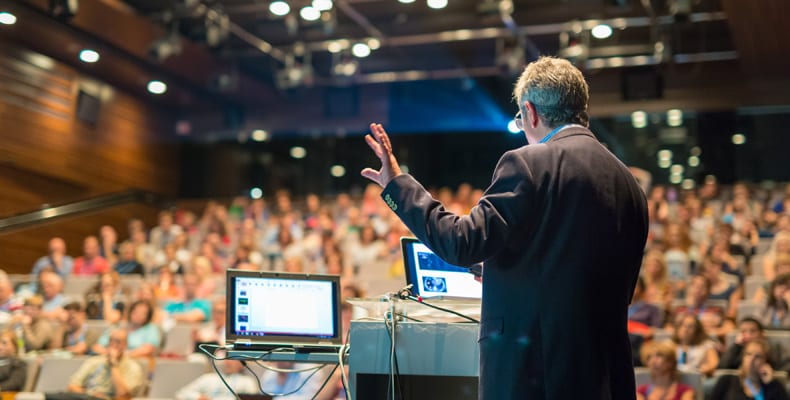

A town hall meeting is used by the local government to work directly with the issues in their own community. It gives the public a place to speak their minds, talk about the issues they find important, and hopefully find solutions to any problems. Each community runs its town hall meetings in a different way, but there are a few things all such meetings have in common. These things help the meeting run successfully without any problems arising.
Spreading the Word
Advertising is an important part of a town hall meeting because it informs the public of the meeting and any specific issues on the agenda. The advertising doesn’t have to be extensive or overwhelming, but informing the public of the dates and times is helpful. This is usually done by placing an advertisement in the local paper or sending out a flier. There are also some communities that broadcast their meetings on local public access television to let those who couldn’t attend the meeting know what happened. They can also run a notice during the program as to the day and time of the next meeting.
Setting and Following a Schedule
Prior to the meeting, those in charge need to set a basic time line or docket for the event. This docket should include all topics discussed at the meeting, as well as setting aside time for issues raised by the public. During the meeting, different things are always discussed such as the minutes from the last meeting, any issues that need to be voted on, and issues raised by citizens in the community. If the schedule is complicated, you may want to rent a PowerPoint projector to display the agenda on a wall, or rent easels to display placards with items of interest.
The town meeting begins with a discussion of the last meeting known as the reading of the minutes, followed by a short discussion of the night’s schedule. A moderator chosen by the members of the town council runs the meeting and keeps everyone on track throughout the night. This person has an important job as certain issues or topics can get heated when opened to the public. Another important person is the town clerk. The clerk records the minutes and the votes taken at the meeting, as well as any issues that are tabled until a later date.
Keeping Things Moving
The moderator opens the meeting by taking attendance to ensure that all members are present. The moderator also informs those in attendance of the first issue to be discussed as well as any voting done that night. The meeting runs from one topic to the next before the floor is opened to the public. This gives those at the event the chance to speak their mind and bring forth any issues in the community. It is the responsibility of the moderator to recognize those on the floor and keep things running smoothly. At the end of the meeting, this person will also inform those in attendance of any issues that will wait until the next meeting.
To run a town hall meeting smoothly, it’s also important to check any audio visual rentals used to make sure everything is working properly. A poorly connected microphone or lcd projector rental can ruin an entire meeting. These things must be checked in advance and again on the day of the meeting. Those who use the equipment should also be trained to use it correctly.
Related Articles: Taking Board Meeting Minutes | VoIP Software | Internet Dictionaries

The Meeting Tomorrow Team is a group of event-obsessed planners, producers, designers, creatives, and event tech experts who love bringing fresh ideas and flawless execution to every project. With decades of combined experience across planning, production, and creative, we write about the trends, tips, and behind-the-scenes know-how that help event professionals shine. Whether it’s sharing practical advice or spotlighting the people and stories that inspire us, our goal is to make planning extraordinary events easier.