
Using a conference call has the potential to save businesses a lot of money; here are some tips for setting one up.
Setting up and making conference calls is much easier than many people think, and there are some great benefits of using this form of communication. Conference calls can save businesses thousands of dollars when they’re used as an alternative to travel. They provide more opportunity for instant collaboration among a group of people, unlike emails or individual phone calls. Also, they make it easier for companies to work with freelancers and contract work out to people around the country or even on the other side of the planet.
Type of Call
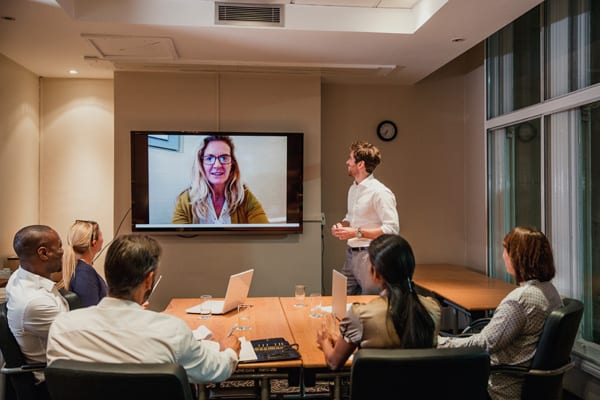
The first step is to decide whether the conference call will include video communication or just audio. Video conferencing is a little more complicated, but it’s very useful in certain situations. It allows for the possibility of simple visual presentations. Video conferences are also more personal. They allow the moderators to have more control over the discussion and to see participants’ body language. Video may provide a better avenue for impressing potential clients. That being said, audio conference calls are perfectly adequate for many purposes, and audio is generally less expensive.
Equipment Needed
To make a professional and high quality conference call, special equipment is needed. Different types of conferencing machines are available with varying features and price points. Deciding which machine to use is largely based on how many people will be involved in the call and whether they will also have professional equipment. The conferencing machine will need to be set up to work with the computers, Internet connection, and/or phone lines being used. Any accessories like video cameras also need to be set up. The system can be tested to make sure it’s working properly before an actual conference call.
Arrangements and Invitations
Once the basic decisions are made about how a conference call will be run, it’s time to start arranging things with the other participants. Make sure that everyone will have the equipment needed to connect to the call on their end. Help them arrange to get the equipment, if necessary. Set up a time that works for all participants, taking different time zones into consideration. Send out invitations that include the time of the meeting and directions for logging in to the conference call. Most businesses provide an 800 number so that participants don’t have to pay for the call.
Hosting Services
If all of this sounds overwhelming or too complicated, a conference call hosting service can do a lot of the work. Some conference calls, especially ones that are run like formal meetings, are operator assisted. Basic conference calls can also be made without any special equipment by using an online service. With this option, though, the quality will not be as great.
Format
A conference call can be run very similarly to a face-to-face meeting once everything is arranged. They usually begin with everyone introducing themselves as they log on to the call. One difference is that some people are less likely to speak up during a phone meeting than they are in real life, while others become more bold and argumentative. This is especially true when the participants have not met in person. Also, with an audio conference, it’s impossible to visually see how others are reacting to the conversation. It is the host or moderator’s job to try to keep everything running smoothly.